
Thyroid and Fertility: How Your Thyroid Affects Conception
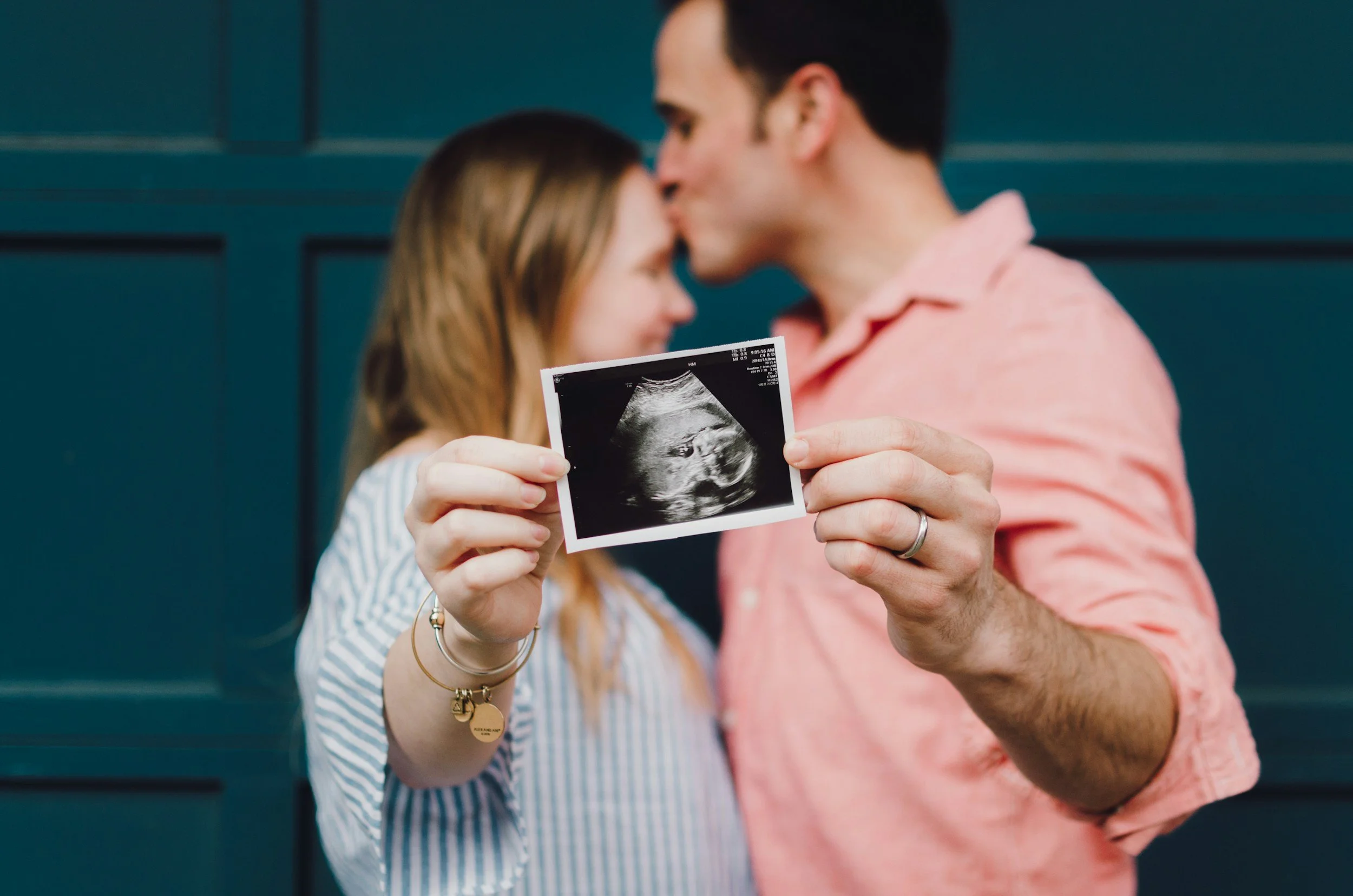
Couples who have been trying for a while usually get the same workup. Cycle tracking, sometimes an ultrasound, sometimes a semen analysis. Thyroid gets checked with a single TSH, and if it lands anywhere inside the reference range, it gets crossed off the list. For a lot of women, that is the point where the most fixable piece of the puzzle gets missed. Our thyroid dysfunction treatment in Tulsa looks at this differently, because the range that counts as normal and the range that supports conception are not the same range.
So, plainly: thyroid hormone regulates ovulation, the luteal phase, and early pregnancy support, and a TSH that is technically normal can still be high enough to interfere with all three.
How does the thyroid affect fertility?
Thyroid hormone sets the metabolic pace of nearly every cell, including the ones running your reproductive cycle.
When thyroid function runs low, several things shift at once. Ovulation can become irregular or stop. The luteal phase, the stretch between ovulation and your period, can shorten, which leaves too little time for an embryo to implant. Prolactin can rise, which suppresses ovulation further. And progesterone production often falls, which matters because progesterone is what maintains the uterine lining in early pregnancy.
None of that requires a diagnosis of hypothyroidism. Subclinical low thyroid function, where TSH is elevated but the thyroid hormones themselves still look acceptable, is enough to produce it.
What TSH level is considered good for conception?
This is where the standard workup and the fertility literature part company.
Most labs flag TSH as abnormal somewhere above 4.0 or 4.5. But major guidance for women trying to conceive and in early pregnancy points to keeping TSH below 2.5, and many fertility specialists aim lower still. That gap between 2.5 and 4.5 is enormous in practice. A woman with a TSH of 3.9 gets told her thyroid is fine, and by the standard that actually applies to her situation, it is not.
The same logic runs through everything we do, which is why we read panels against functional targets rather than disease-detection cutoffs. Our article on optimal thyroid lab ranges beyond TSH covers where those numbers come from.
Why a single TSH is not enough
TSH is a signal from your pituitary, not a measurement of thyroid hormone in your tissues. Relying on it alone misses several things that matter here.
Free T4 and free T3 show what hormone is actually available. Some women make enough T4 but convert it poorly to T3, the active form, and TSH will not reveal that.
Thyroid antibodies, TPO and thyroglobulin, are the big one for fertility. Positive antibodies indicate autoimmune thyroid disease, most often Hashimoto's, and they are associated with higher rates of miscarriage and pregnancy complications even when TSH sits in range. Antibodies can be present for years before TSH moves at all. Testing them is inexpensive and it changes management.
Reverse T3 can show that thyroid hormone is being shunted into an inactive form, which often happens under sustained physical or emotional stress.
Iron, ferritin, vitamin D, selenium, and iodine all feed thyroid function and are commonly low in women of reproductive age. Low ferritin in particular blunts T4 to T3 conversion.
If you have been told your thyroid was checked, it is worth asking which of these were actually run. Usually the answer is TSH alone.
What about men?
Thyroid dysfunction affects male fertility too and gets tested even less often. Low thyroid function is associated with reduced sperm motility and morphology, and it can lower testosterone. When a couple is being worked up, checking both partners is reasonable rather than thorough.
Does treating a thyroid problem improve fertility?
For women with genuine hypothyroidism, treatment is well established as part of fertility care. For subclinical cases, particularly with positive thyroid antibodies, the evidence supports treatment as a reasonable step, and it is one of the lower risk interventions available in a fertility workup.
What treatment cannot do is guarantee conception. Thyroid function is one input among several, and plenty of couples have more than one thing going on. What optimizing it does is remove a real obstacle and support a healthier early pregnancy, and it is worth doing regardless of what else is found. Thyroid care should sit alongside your OB or fertility provider rather than replace them, and we are happy to coordinate.
What we look at

We run the full picture rather than a single marker. TSH, free T4, free T3, reverse T3, TPO and thyroglobulin antibodies, plus ferritin, vitamin D, B12, and the metabolic and cortisol markers that influence thyroid conversion. Sex hormones and progesterone get looked at in the same panel, because the thyroid and reproductive systems are not separate conversations.
Then we read those numbers against functional targets and against your symptoms, and explain the reasoning rather than handing you a printout. Getting a thyroid where it needs to be for conception takes months of adjusting and rechecking rather than one appointment, which is why our care runs on a membership instead of a visit fee. Patients see us in the Owasso office or by telemedicine in Oklahoma, Florida, and Kansas. If your labs came back normal but you do not feel it, our piece on normal thyroid labs and still feeling awful is the place to start.
Frequently asked questions
Can a thyroid problem stop you from getting pregnant? It can make conception harder by disrupting ovulation, shortening the luteal phase, raising prolactin, and lowering progesterone. It is rarely the only factor, but it is one of the more correctable ones.
What TSH is too high to conceive? Standard labs flag TSH above roughly 4.0 to 4.5, but guidance for women trying to conceive generally targets below 2.5. A result between those two numbers is often called normal while still sitting above the range that supports fertility.
Do thyroid antibodies affect miscarriage risk? Positive TPO or thyroglobulin antibodies are associated with higher miscarriage risk even when TSH is in range, which is why testing them matters. Their presence changes how closely thyroid function should be monitored before and during pregnancy.
Should I get my thyroid checked before trying to conceive? A full panel before you start is sensible, particularly with a family history of thyroid or autoimmune disease, irregular cycles, or symptoms such as fatigue, cold intolerance, hair thinning, or unexplained weight change.
Does hypothyroidism affect men's fertility? Yes. Low thyroid function is linked to reduced sperm motility and morphology and can lower testosterone. Testing both partners is reasonable during a workup.
Get the full panel
If you are trying to conceive and your thyroid was checked with one number, that number was probably not enough. Look at our thyroid dysfunction treatment, see how to get started, or call 918-842-7872 to talk with our team.