
Pellets, Injections, or Creams? Comparing Hormone Delivery Methods
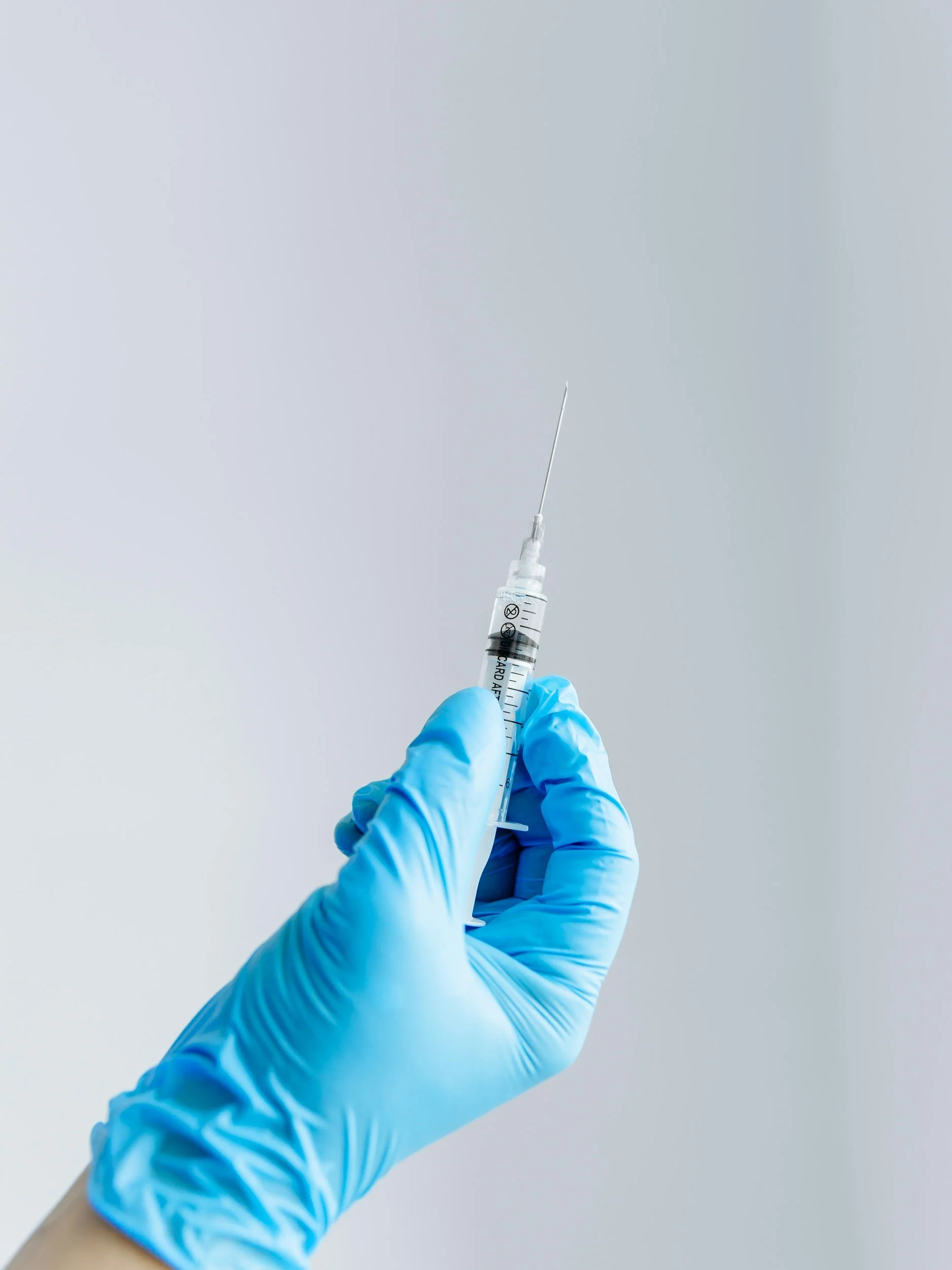
Most people arrive at hormone therapy focused on whether to do it at all. Then they say yes and immediately face a second decision nobody prepared them for: how the hormone actually gets into them. It is not a trivial choice. Delivery method changes how steady your levels are, how quickly a dose can be corrected, how often you think about it, and what it costs. Our hormone imbalance treatment in Tulsa matches the method to the person rather than defaulting to one for everybody.
The short version: injections give the most control, pellets give the most convenience, creams sit in between and are the easiest to stop. There is no single best option, and any clinic that only offers one will tell you theirs is it.
Hormone pellets: set it and forget it
Pellets are small compressed hormone inserts placed under the skin, usually in the hip, during a quick in office procedure with local anesthetic. They dissolve slowly and release hormone over roughly three to six months.
What people like about them. You do it a few times a year and then stop thinking about it. No daily routine, no weekly injection, nothing to remember. For anyone who has abandoned a treatment because of the hassle, that is a genuine advantage. Levels also stay relatively steady day to day compared with methods that peak and trough.
What is harder about them. Once a pellet is in, it is in. If your dose turns out to be too high, you cannot dial it back and you cannot remove it easily. You wait it out. That is the single biggest reason we are careful about who starts on pellets, particularly at a first ever dose. Insertion sites can also bruise or, less often, get irritated, and some patients notice levels dropping in the last few weeks before a replacement is due.
Best suited to patients who have already found a stable dose on another method and want to stop managing it, or who know from experience they will not stick with a daily or weekly routine.
Injections: the most control
Injections are typically given weekly or twice weekly, usually subcutaneously with a small needle, and most patients do them at home.
What people like about them. Dosing is precise and adjustable. If a level comes back high, the next dose changes immediately. If you need to stop, you stop. That flexibility matters most in the first year, when the dose is still being found, and it matters for men on testosterone therapy where estradiol and blood count need to stay in range.
What is harder about them. You have to actually do it, on schedule, indefinitely. Levels rise after a dose and drift down before the next, so a weekly schedule can produce a noticeable rhythm to how you feel. Splitting into two smaller doses a week usually smooths that out. And some people simply do not want to inject themselves, which is a legitimate reason to choose something else.
Best suited to anyone starting therapy for the first time, anyone whose levels need close monitoring, and anyone who wants the ability to change course quickly.
Creams and gels: the easiest to stop
Topical hormones are applied daily to the skin and absorbed through it.
What people like about them. No needles, no procedure, and stopping is as simple as not applying it tomorrow. Daily dosing also means fewer peaks and troughs than a weekly injection. For patients nervous about committing, a cream is a low stakes way to start.
What is harder about them. Absorption varies quite a bit between people and depends on skin, application site, and consistency, so two patients on the same prescribed dose can end up with meaningfully different blood levels. It is a daily habit that is easy to skip. And transfer to a partner or child through skin contact is a real consideration that requires care about application sites and timing.
Best suited to patients who want to try therapy without committing to a procedure, patients who dislike needles, and situations where a gentle, easily reversible start makes sense.
Which method should you choose?
A few questions usually settle it faster than a comparison chart.
Is this your first time on hormone therapy? Start with something adjustable. Injections or creams let us correct a dose in days. Pellets do not.
How closely do your levels need to be tracked? Men on testosterone therapy need estradiol, blood count, and PSA followed, and that job is easier when the dose can move.
Will you realistically keep up a daily or weekly routine? Be honest. A pellet you actually get is better than an injection you skip for two months.
Are there small children or a partner at home? That is worth raising before choosing a cream.
What does cost look like across a year? Pellets are billed per insertion several times a year, injections and creams are usually a smaller recurring pharmacy cost. Compare the annual number rather than the visit price.
It is also normal to change. Plenty of patients start on injections while the dose is being found, then move to pellets once things are stable. Switching is routine and does not mean anything went wrong. What matters more than the method is that the hormone itself is right for you, which our article on bioidentical vs synthetic hormones gets into.
How we decide with patients

We start with the panel, not the product. Comprehensive thyroid, sex hormones, cortisol pattern, metabolic markers, and nutrients, because the delivery method is a detail if the underlying picture has not been read properly. Plenty of patients who come in asking for pellets turn out to have a thyroid conversion problem doing most of the damage.
Once therapy is the right call, our providers talk through the tradeoffs above with your labs, your schedule, and your history in front of them, then recheck levels and adjust. That follow up is built into how care works here rather than billed as another appointment, which is the practical argument for a membership model. Visits happen in Owasso or by telemedicine for patients in Oklahoma and Florida. For men specifically, our low testosterone treatment page covers what monitoring looks like.
Frequently asked questions
Are hormone pellets better than injections? Neither is better in general. Pellets are more convenient and steadier day to day. Injections are more precise and adjustable. The right one depends on whether you are still finding your dose and how much routine you will realistically keep.
How long do hormone pellets last? Usually three to six months, varying by patient, dose, and metabolism. Some patients notice symptoms returning in the final few weeks before the next insertion.
Can hormone cream transfer to someone else? Yes. Skin to skin contact can transfer topical hormone to a partner or child. Application site, covering the area, and timing all reduce that risk, and it is worth discussing before choosing a cream if you have young children at home.
Do injections hurt? Most patients use a small subcutaneous needle and describe it as a brief pinch. Nearly everyone who was nervous about it reports being surprised by how minor it turned out to be.
Can I switch methods later? Yes, and it is common. Many patients start adjustable, find a stable dose, then move to pellets for convenience. Switching is a normal part of long term care.
Which method is cheapest? Compare across a full year rather than per visit. Pellets carry a larger cost several times a year, while injections and creams are smaller and recurring. Which comes out lower depends on your dose and hormone.
Get the method matched to you
If you are weighing these options, the useful next step is a panel that shows what your levels are actually doing. Explore our hormone imbalance treatment, see how membership works, or call 918-842-7872 to talk with our team.