
The Thyroid-Weight Gain Connection: Why the Scale Will Not Budge
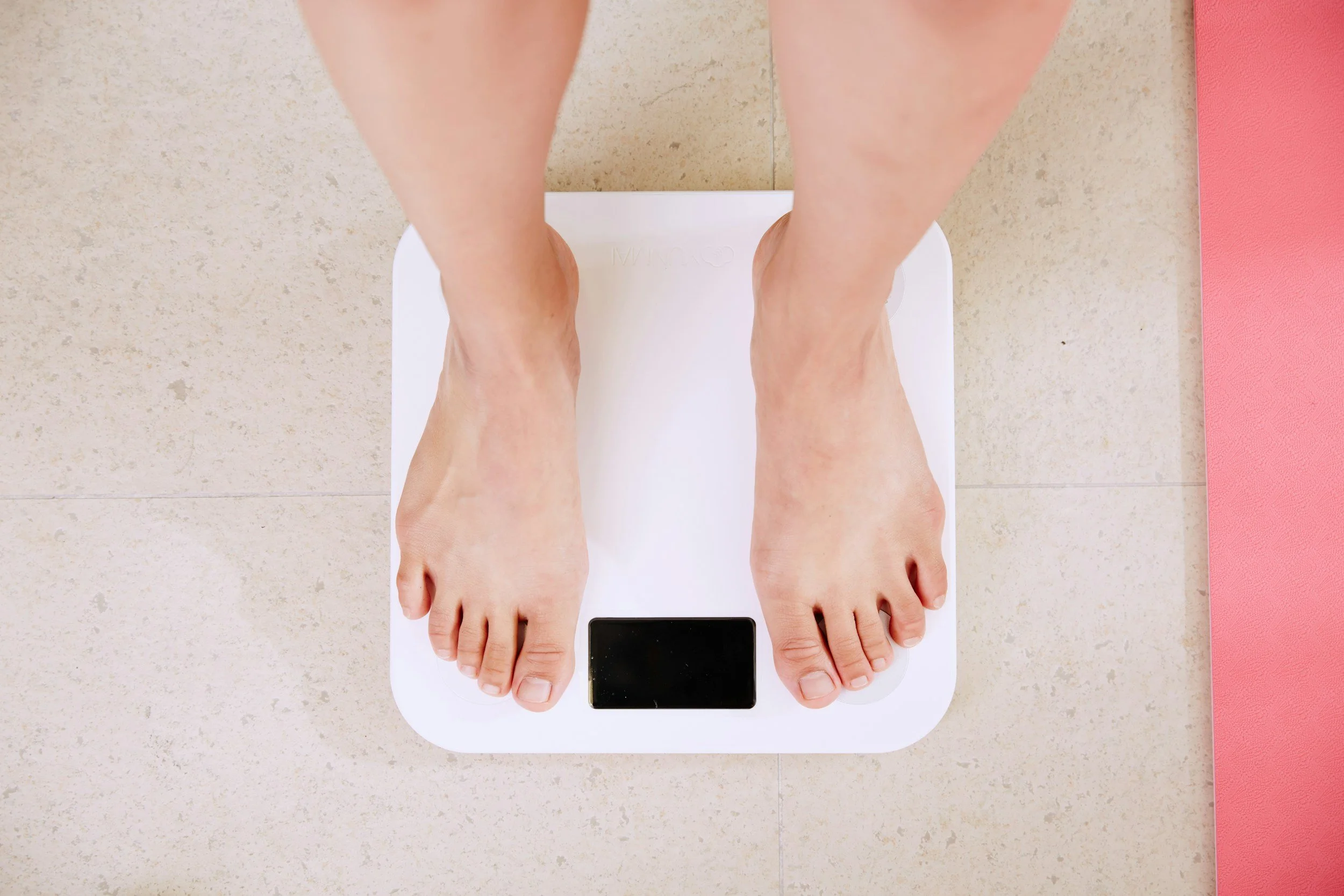
You are eating the same as always, maybe even less, and the weight keeps creeping up. If that comes with fatigue, cold hands, dry skin, or brain fog, your thyroid is worth a serious look. Your thyroid sets the pace for your metabolism, so when it slows down, your whole body burns fewer calories at rest, and the scale shows it.
Our thyroid dysfunction treatment starts by finding out whether your thyroid is the reason, instead of telling you to just eat less and try harder.
How your thyroid controls your weight
Think of your thyroid as the thermostat for your metabolism. It makes hormones that tell nearly every cell in your body how fast to work. When thyroid hormone is at a good level, your body runs at full speed and burns energy efficiently. When it drops, everything slows. You burn fewer calories doing the exact same things, your appetite signals get muddy, and your body holds onto more.
This is why an underactive thyroid, or hypothyroidism, so often shows up as steady weight gain that does not match how you are eating. It is not a willpower problem. It is a metabolism running below its normal setting.
How much weight are we talking about?
Here is the honest part. A slow thyroid usually adds some weight, often in the range of a several pounds, and a good chunk of that is fluid retention rather than fat. So the thyroid is rarely the whole story behind a large weight gain, but it can be the anchor that makes losing weight feel impossible no matter what you do.
That is the frustrating piece for a lot of our patients. They are doing the right things and getting nowhere, because the underlying metabolic rate is working against them. Fix the thyroid and the same effort finally starts to pay off.
Why the scale and the labs do not always agree
A lot of people get a basic thyroid test, hear that their TSH is "normal," and get sent on their way still gaining weight. The problem is that a single TSH number does not tell the full story. Your body can struggle to convert thyroid hormone into its active form, or run at the low end of "normal" while you feel anything but normal.
This is the same gap we cover in our piece on reading your thyroid labs, and it is why we test a full panel rather than one marker. Weight is also tangled up with other hormones like insulin and cortisol, which is exactly what we get into in how hormones affect fatigue and weight gain.
What actually helps
If a sluggish thyroid is driving your weight, the fix is to support the thyroid properly and address what is dragging it down, not to crash diet. That usually means a full thyroid panel, supporting hormone levels where they are genuinely low, and looking at the things that affect thyroid function like nutrient status, gut health, blood sugar, and stress.
From there, the weight side gets easier to move, and that is where our weight management and metabolic health work comes in. We are not promising the thyroid is a magic switch. We are saying that when the metabolic thermostat is set too low, no amount of dieting feels fair, and getting it right changes the math.
How WellSpot approaches thyroid-driven weight gain
Courtney Garner, NP, and our team start with a full thyroid workup read against your symptoms, not just a TSH glance.
From there we build a plan that supports your thyroid and tackles the metabolic factors around it, then track both your labs and your weight over time. WellSpot is a membership-based functional medicine practice in Owasso serving the greater Tulsa area, with telemedicine across Oklahoma, so we can follow your progress instead of handing you a one-time prescription and a goodbye.
Frequently asked questions
Can a thyroid problem really cause weight gain? Yes. An underactive thyroid slows your metabolism, so you burn fewer calories at rest and tend to retain more fluid. It is a common reason the scale climbs despite no change in eating.
Will treating my thyroid make me lose all the weight? Usually not on its own. A slow thyroid often adds a modest amount of weight, much of it fluid. Treating it removes a major roadblock so your diet and activity finally work, but it is one piece of the metabolic picture.
My TSH was normal but I still gained weight. What now? A single TSH can miss the full picture. A complete thyroid panel, read against your symptoms, often explains what one number does not. Other hormones like insulin and cortisol may also be involved.
How long before weight starts to move after treatment? It varies. Fluid-related weight can ease within weeks of getting thyroid levels right, while fat loss follows your overall plan and takes longer. We adjust based on follow-up labs and how you feel.
Find out if your thyroid is the reason
If you are working hard and the scale will not cooperate, you deserve to know whether your thyroid is part of the problem. Explore our thyroid dysfunction treatment, learn about our weight management and metabolic health approach, or call 918-842-7872 to talk with our team.