
Most people put off a hormone appointment for longer than they should. Sometimes it is cost.
Sometimes it is the fear of being told, again, that everything looks normal.
And sometimes it is simply not knowing what happens once you walk in.
This article takes care of the last one. Here is what a first visit at our hormone imbalance clinic looks like, how to prepare, and what happens after.
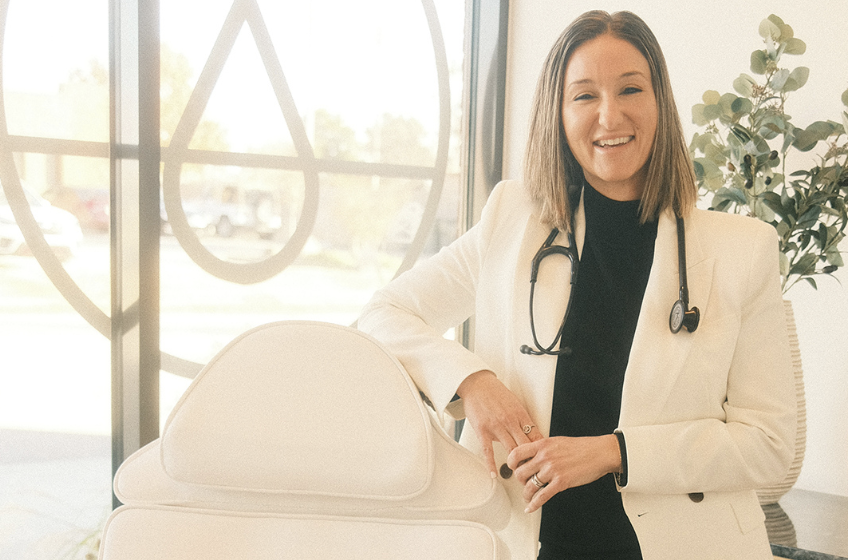
Before your visit: how to prepare
You do not need to bring paperwork to the office. Anything below that you have on hand can be uploaded to your patient portal before your visit, so your provider can review it ahead of time:
Any labs from the last year, even if you were told they were normal. ‘Normal’ is a broad range, and where you sit inside it matters as well as your symptoms.
A list of medications and supplements, with doses.
A rough timeline of your symptoms. When did the fatigue, weight change, sleep problems, or mood shifts start? Did anything happen around then, like a pregnancy, a move, a new job, or a new medication?
Your questions. Write them down before you come in. It is easy to forget them once you are in the room.
If you have not already, the free female hormone quiz or male hormone quiz takes a few minutes and gives us a useful starting picture.
What happens during the consultation?
Your first visit is in person at our Owasso office. Expect a real conversation, not a ten-minute check-in.
We will go through your symptoms, your history, and what you have already tried. We want to know how you sleep, how your energy runs through the day, what has changed with your weight, your mood, your focus, your libido, and, for women, your cycle. We also ask about stress, diet, exercise, and gut symptoms, because hormones rarely act alone. Cortisol affects thyroid conversion. Gut health affects how estrogen is cleared. Poor sleep affects nearly everything.
This is also your chance to ask questions about treatment options, what membership includes, and whether telemedicine is an option for follow-ups.
Which labs do we run?
A standard physical usually checks a handful of markers. Our workup looks at roughly ten times that, because most hormone symptoms have more than one cause.
A typical workup covers:
A full thyroid panel (TSH, free T4, free T3, reverse T3, and thyroid antibodies), not just TSH
Sex hormones: estradiol, progesterone, testosterone (total and free), DHEA, and SHBG
Cortisol, ideally as a daily pattern rather than one morning number
Metabolic markers like fasting insulin, glucose, A1c, and lipids
Nutrients that affect energy and hormones, such as ferritin, vitamin D, B12, and folate.
Inflammation markers
Timing matters for some of these. Testosterone is usually drawn in the morning, and progesterone is often timed to a specific point in a woman's cycle. We will tell you when and how to draw. Lab work is a separate charge from your visit and membership, and our team can go over lab pricing with you before your draw.
How are results reviewed?

This is where our approach is different. Results are read against optimal ranges, not just the standard reference ranges printed on the report.
Standard ranges are built to catch disease. A TSH anywhere from roughly 0.4 to 4.0 is called normal, but many people feel very different at 3.8 than they do at 1.5. The same goes for ferritin, free T3, testosterone, and vitamin D. A lab result can be normal and still explain why you feel the way you do.
At your lab review visit, a provider walks through each result with you, explains what it means for your symptoms, and lays out a plan. That plan might include bioidentical hormone therapy. It might start with thyroid support, nutrients, sleep, or a cortisol plan first. It depends on what the labs show, your symptoms, age and related information.
If you are ready to get that process started, you can book your consultation online.
What happens after the first visit?
Hormone care is not a one-time appointment. Bodies change, doses need adjusting, and the first plan is a starting point.
That is why we work as a membership practice. Membership includes follow-up visits, direct access to your provider through the patient portal, and discounts on supplements, medications, and specialty labs. You can compare options on our plans page. After your initial in-person visit, many follow-ups can happen by telemedicine if you choose.
Most patients have follow-up labs within the first few months to see how their body is responding and to fine-tune the plan.
Frequently asked questions
How long is the first hormone appointment?
Plan for an unhurried visit. The first visit is typically 45 minutes to an hour and the first lab review appointment is up to an hour, because we go through each result rather than summarizing.
Do I need a referral?
No. You can book directly.
Does insurance cover functional medicine hormone care?
We are a membership-based practice, and membership pricing is listed on our plans page. Lab work is billed separately from your visit and we have pre-negotiated rates for cash pay labs that are often 10 to 15% of what insurance bills. Ask our team about lab pricing at your first visit, we pride ourselves on patients never having any surprise bills!
Will I leave the first visit with a prescription?
Treatment recommendations are built from your lab results, so expect the full Wellness Plan to take shape at your lab review rather than in the first conversation. Once a Wellness Plan is agreed upon, supplement and compounded medications are drop-shipped directly to your door making everything you need to improve as convenient as possible.
Can men and women both book a hormone consultation?
Yes. We see women for perimenopause, menopause, and hormone imbalance at any age, and men for low testosterone and broader hormone and longevity care.
Ready to find out what is going on?
If you are tired of hearing that your labs are normal when you do not feel normal, booking a consultation is the right next step. Book a consultation online, or call our Owasso office at 918-842-7872. Still comparing practices? Our guide on how to choose the right hormone clinic in Tulsa covers what to look for.