
Unlock Cellular Rejuvenation with NAD+ IV Therapy

NAD+ therapy is an emerging tool in anti-aging and cellular recovery. It focuses on replenishing nicotinamide adenine dinucleotide (NAD+), a coenzyme that helps cells turn nutrients into usable energy. Below, we explain how NAD+ works, what benefits people commonly report, and how this approach fits into functional medicine care. Many of us notice lower energy, slower recovery, or more oxidative stress as we get older. NAD+ therapy aims to support cellular function and resilience as part of a broader wellness plan. We’ll also link this science back to practical, clinic-based care and functional medicine strategies.
TL;DR
Cellular Energy Boost: NAD+ is a vital coenzyme that helps cells convert nutrients into energy (ATP).
Age-Related Decline: NAD+ levels naturally decrease with age, impacting mitochondrial function and overall energy.
Core Benefits: Supports cellular energy, reduces oxidative stress, and may enhance cognitive and metabolic function.
Administration: Typically delivered via IV infusion in a clinical setting, taking 1-4 hours.
Safety: Generally well-tolerated with mild, temporary side effects; administered by qualified professionals.
Integrated Approach: Often combined with functional medicine and hormone therapy for comprehensive wellness.
Ideal Candidates: Adults experiencing low energy, slower recovery, or age-related concerns, following a full clinical evaluation.
Current research highlights NAD+ metabolism as a key regulator of physiology and a factor in age-related decline.
NAD+ Metabolism: Mechanisms, Deficiency & Therapeutic Interventions for Aging
Nicotinamide adenine dinucleotide (NAD+) and its breakdown products act as central regulators of cellular responses. They help cells adapt to changing conditions, from shifts in nutrients and circadian rhythm to infection, inflammation, and environmental toxins, largely by serving as cofactors in metabolic redox reactions. When NAD+ balance is disrupted over time, normal cellular communication and metabolism suffer, which can contribute to metabolic disease, cancer, aging, and neurodegeneration. This review summarizes advances in how NAD+ governs stress responses, how NAD+ deficiency links to disease through altered cellular signaling, and where therapeutic interventions might help restore balance.
NAD+ metabolism: pathophysiologic mechanisms and therapeutic potential, N Xie, 2020
What Is NAD+ Therapy and How Does It Enhance Cellular Energy?
NAD+ therapy delivers or supports the body’s supply of nicotinamide adenine dinucleotide (NAD+), a molecule present in every cell that’s essential for energy metabolism. NAD+ participates in the biochemical steps that produce ATP, the cell’s main energy currency, so restoring NAD+ can help cells run more efficiently. NAD+ levels naturally fall with age, which can weaken mitochondrial performance, lower energy output, and contribute to symptoms like fatigue or slower cognition. Supporting NAD+ is one way to target those underlying cellular processes.
Understanding NAD+ as a Coenzyme in Metabolism
NAD+ works as a coenzyme in core metabolic pathways, glycolysis, the citric acid cycle, and oxidative phosphorylation, by accepting and donating electrons during cellular respiration. Those electron transfers are what let cells extract energy from food and convert it into ATP. Keeping NAD+ available supports these reactions so tissues have the energy they need to maintain function and repair.
How NAD+ Levels Decline with Age and Impact Mitochondrial Function
With advancing age, NAD+ concentrations tend to drop and the NAD+/NADH balance shifts. Mitochondria, the organelles that generate most cellular ATP, rely on that balance to operate efficiently. Reduced NAD+ can blunt mitochondrial output and increase oxidative stress, which may damage DNA, proteins, and membranes over time. Restoring NAD+ aims to improve mitochondrial performance, lower oxidative burden, and support healthier cellular aging.
Scientific reviews consistently link falling NAD+ levels to mitochondrial decline and several age-related conditions.
NAD+ Metabolism: Key to Cellular Energy, Anti-Aging & Therapeutic Potential
NAD+ is a linchpin of cellular metabolism and energy balance. Declines in NAD+ and shifts in the NAD+/NADH ratio are associated with mitochondrial dysfunction and a range of age-related pathologies. Boosting intracellular NAD+ can increase oxidative metabolism and help prevent bioenergetic decline in models of mitochondrial and age-associated disorders. Translating these findings into clinical practice is an active area of research with promising implications for human health.
Emerging therapeutic roles for NAD+ metabolism in mitochondrial and age-related disorders, 2016
What Are the Key Benefits of NAD+ IV Infusion for Anti-Aging?
NAD+ IV infusion is used to restore cellular NAD+ levels quickly and directly. People pursue this therapy for several reasons: to support energy production, reduce oxidative damage, and potentially help cognitive and metabolic function as part of a wider health plan.
Cellular Energy Support: Replenishing NAD+ can help mitochondria produce ATP more efficiently, which may translate to increased energy and endurance.
Oxidative Stress Reduction: By improving mitochondrial function, NAD+ therapy can lower oxidative stress, a contributor to cellular wear-and-tear and chronic disease.
Clinical Evidence: Early studies and clinical reports suggest benefits for metabolic health and mental clarity, though larger, controlled trials are still needed to define best practices and long-term outcomes.
How NAD+ Therapy Supports Cellular Energy and Reduces Oxidative Stress
NAD+ increases the pool of molecules available for ATP production, which can enhance cellular stamina and physical performance. It also helps activate sirtuins and other enzymes involved in DNA repair and metabolic regulation, pathways tied to longevity and stress resistance. By supporting these systems, NAD+ therapy may reduce damage from oxidative stress and help cells maintain function over time.
A broad literature review shows that restoring NAD+ can address multiple molecular drivers of aging and may support a longer period of healthy function.
NAD+ for Anti-Aging: Restoring Levels to Extend Healthy Lifespan
An age-related decline in NAD+ is one of the most consistent molecular signatures of aging, linked to slowed metabolism, mitochondrial dysfunction, reduced DNA repair, chronic inflammation, and stem cell exhaustion. This multidimensional review synthesizes findings from dozens of studies showing how restoring NAD+ can realign these hallmarks and support a healthier lifespan.
Boosting NAD+ for Anti-Aging: Mechanisms, Interventions, and
Opportunities, F Alpay, 2025
Clinical Evidence on NAD+ Therapy’s Role in Enhancing Mitochondrial Health
Clinical and preclinical studies have reported improvements in mitochondrial function after NAD+ supplementation or infusion, with some participants noting better energy and clearer thinking. That said, the strongest evidence is still emerging: larger randomized controlled trials are limited, and clinicians continue to refine dosing, frequency, and patient selection to maximize benefits and safety.
How Is NAD+ IV Therapy Administered and What to Expect During Treatment?
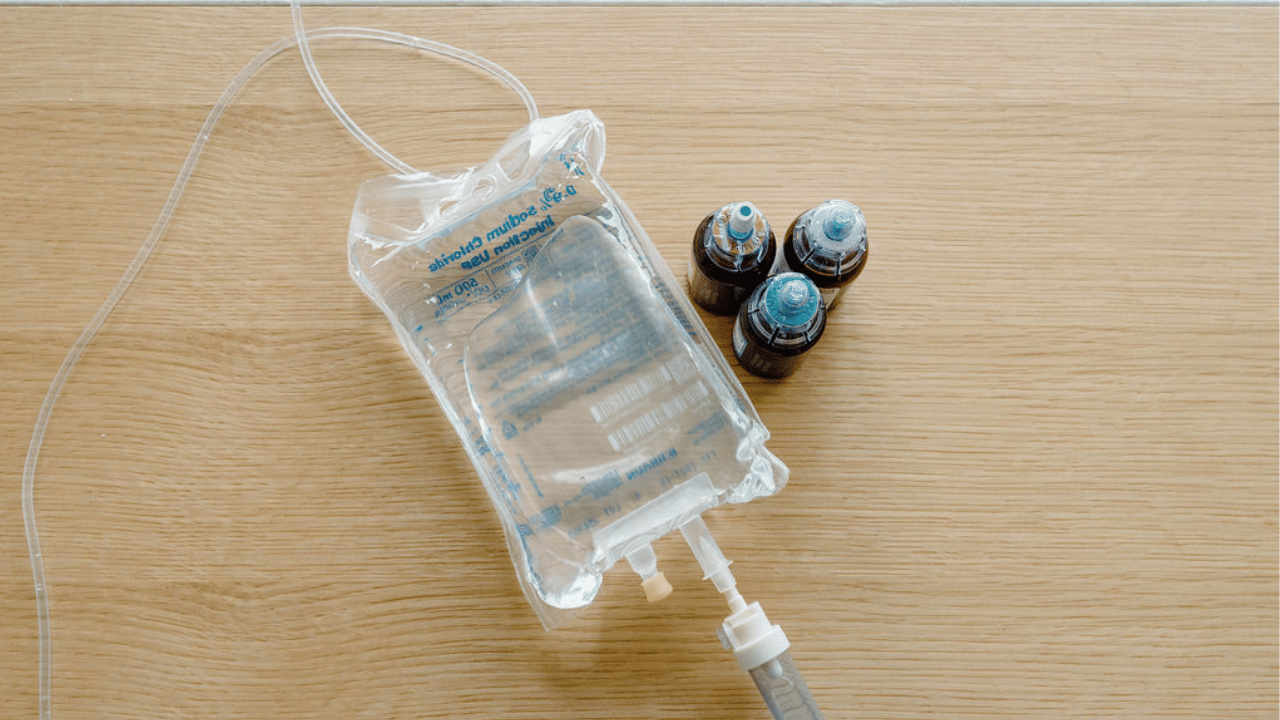
NAD+ IV therapy is performed in a clinical setting under supervision from licensed healthcare providers. The solution is given slowly through an IV so cells can access NAD+ directly via the bloodstream.
Step-by-Step Overview of the NAD+ Infusion Process
Initial Consultation: You’ll have an intake visit to review your medical history, goals, and whether NAD+ is appropriate.
Preparation: The clinician prepares the IV and solution, and explains what you can expect during the session.
Infusion: Most infusions take between one and four hours. You can rest comfortably while the treatment runs.
Post-Treatment Care: After the infusion we monitor you briefly, answer questions, and provide simple aftercare guidance.
What Are the Typical Side Effects and Safety Considerations?
When given by trained professionals, NAD+ therapy is generally well tolerated. Some people experience mild site discomfort, nausea, or headaches. Full medical disclosure and monitoring help reduce risks, share your complete medical history with your provider so they can tailor treatment and ensure safety.
How Does Functional Medicine Hormone Therapy Integrate with NAD+ Treatments?
Pairing NAD+ therapy with functional hormone care can amplify benefits for patients whose energy, mood, or recovery are affected by hormonal imbalance. Functional medicine looks at the whole person: hormones, nutrition, sleep, and lifestyle, and NAD+ can be one part of that personalized plan.
Benefits of Combining NAD+ Therapy with Bioidentical Hormone Therapy
Using NAD+ alongside bioidentical hormone therapy can be complementary: hormones help regulate metabolism and mood, while NAD+ supports cellular energy and repair. Together they may improve vitality, clarity, and quality of life for patients whose hormone profiles and cellular function need coordinated attention. Outcomes vary by individual, so plans are tailored accordingly.
Personalized Wellness Plans Incorporating Hormone and NAD+ Therapies
We create individualized wellness plans that align NAD+ and hormone therapies with your health history, lifestyle, and goals. This personalized approach helps ensure treatments address root causes and fit into a realistic long-term plan.
Who Is an Ideal Candidate for NAD+ Therapy and How to Get Started?
If you’re interested in NAD+ therapy, Wellspot Functional Medicine has multiple clinic locations and a team ready to assess your needs. NAD+ may be appropriate for people experiencing low energy, slower recovery, or age-related concerns, but individual suitability depends on a full clinical evaluation.
NAD+ therapy can suit a broad range of adults who want to support energy and cellular health, but candidacy is determined case-by-case.
Assessing Eligibility Through Hormone Health and Functional Medicine Intake
We assess eligibility through a comprehensive intake that often includes hormone testing and a review of lifestyle and symptoms. Begin with our hormone and wellness intake, for example, take our hormone health quiz, so your provider can design an appropriate plan and set realistic expectations.
Patient Success Stories Demonstrating NAD+ Therapy Outcomes
Many patients report meaningful improvements after NAD+ therapy, such as higher energy, sharper focus, and better overall well-being. These individual stories are encouraging, but results vary and should be considered alongside clinical guidance and monitoring.
What Are Common Questions About NAD+ Therapy: FAQs and Expert Answers
Is NAD+ Therapy Safe and What Are the Potential Risks?
When administered by qualified clinicians, NAD+ therapy is typically safe. Risks are low but can include mild local discomfort, nausea, or headaches. Discuss your medical history, medications, and any concerns with your provider so they can recommend the safest approach for you.
How Long Do the Effects of NAD+ Therapy Last?
Duration varies by person. Many people notice increased energy and mental clarity for days to weeks after infusion. Factors such as metabolism, lifestyle, and overall health influence how long effects persist, and maintenance sessions are sometimes recommended for ongoing benefit.
Evidence is promising but still developing; more controlled research will clarify the full scope and best-use scenarios.
NAD+ therapy is a promising option for supporting cellular health and addressing some age-related changes. By replenishing NAD+ levels and pairing treatment with functional medicine strategies like hormone balancing, people may experience improved energy and resilience. As research progresses, clinicians will continue refining how to use NAD+ therapy most effectively within personalized care plans.
Restore Your Cellular Energy
NAD+ therapy can be a valuable element of a personalized anti-aging and wellness program, helping restore cellular energy, lower oxidative stress, and support overall vitality. Combined with functional medicine assessments and hormone care when appropriate, it offers another pathway to improve how you feel and function. Learn more about whether NAD+ therapy fits your goals by exploring our services and scheduling an evaluation.