
If you have an autoimmune condition, you have probably been told some version of "diet doesn't really matter, just take your medication." Then you found a dozen websites telling you diet is everything. The truth sits between the two, and the autoimmune protocol, or AIP, is one of the more structured ways to find out what matters for you.
Here is how AIP works, what the research shows, and how it fits into our autoimmune disease support for patients in Tulsa, Owasso, and by telemedicine.
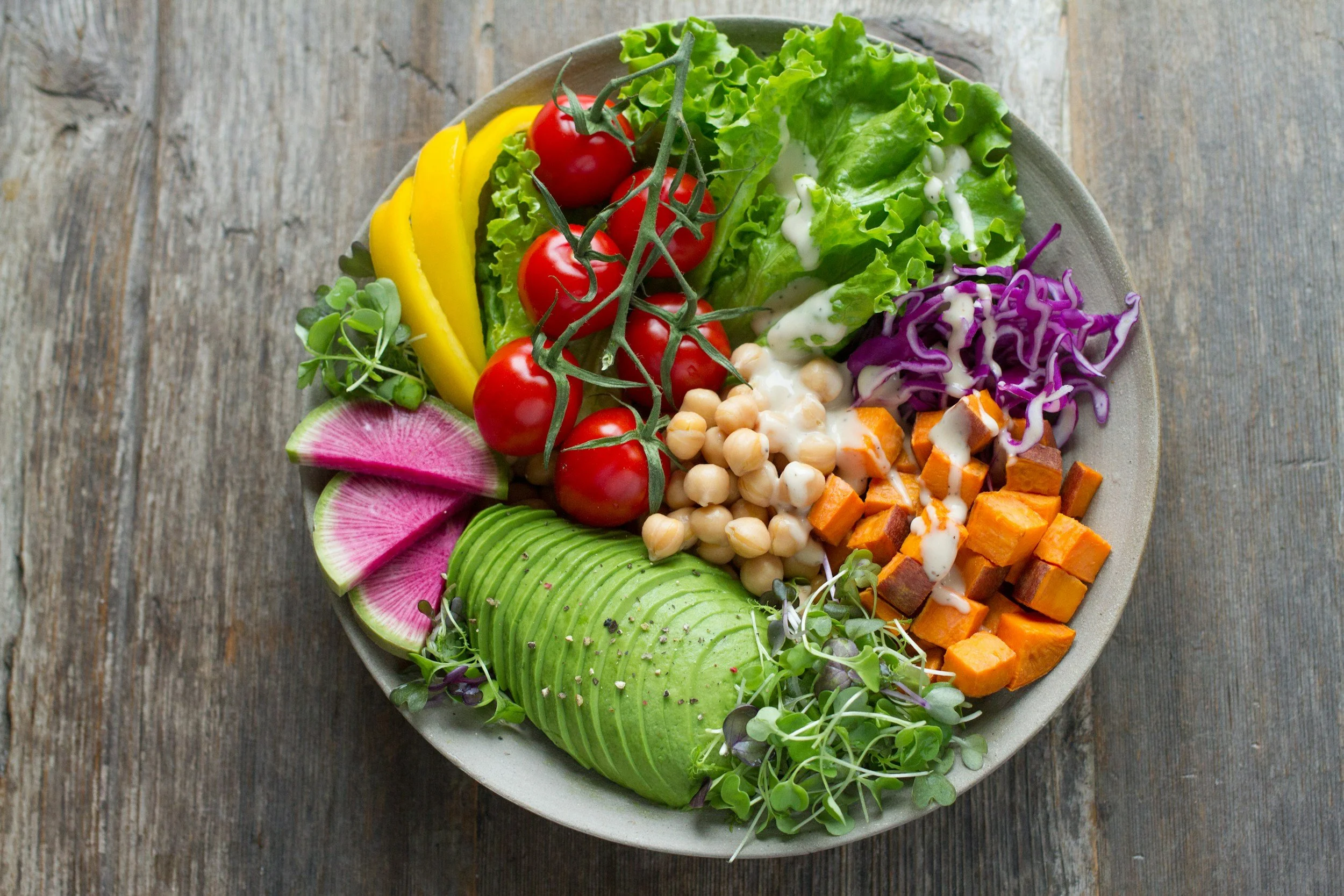
What is the AIP diet?
AIP is an elimination diet designed for people with autoimmune conditions like Hashimoto's, rheumatoid arthritis, psoriasis, celiac disease, and inflammatory bowel disease. It is stricter than paleo. The idea is to remove foods that commonly irritate the gut or drive inflammation for a set period, let things settle, then bring foods back one at a time to see which ones you tolerate.
It is a tool for finding your triggers. It is not meant to be a permanent way of eating.
What do you remove on AIP?
During the elimination phase, you remove:
Grains, including gluten and gluten-free grains
Legumes, including beans, lentils, peanuts, and soy
Dairy
Eggs
Nuts and seeds, including seed-based spices like cumin and mustard
Nightshades: tomatoes, potatoes, peppers, eggplant, and spices like paprika and cayenne
Refined sugar and most sweeteners
Alcohol and coffee
Processed foods, industrial seed oils, and food additives
Some people also need to look at regular use of anti-inflammatory painkillers like ibuprofen, which can irritate the gut lining. Do not stop a prescribed medication without talking to your provider.
What can you eat on AIP?
More than the list above suggests. The focus is on nutrient-dense whole foods:

Meat, poultry, and fish, including fatty fish like salmon and sardines
Organ meats, if you are willing
Vegetables of almost every kind except nightshades
Fruit, in moderate amounts
Sweet potatoes, squash, plantains, and cassava
Olive oil, avocado oil, avocado, and coconut
Fermented foods like sauerkraut and coconut yogurt
Bone broth, herbs, ginger, turmeric, and garlic
How long do you stay in the elimination phase?
Usually 30 to 90 days, until symptoms have clearly improved and held steady. Staying in elimination much longer than that raises the risk of nutrient gaps without adding much.
How does reintroduction work?
This is the part people skip, and it is where the useful information comes from.
You bring back one food at a time. Eat a small amount, wait, eat a bit more later that day, then go several days without adding anything else while you watch for symptoms. Joint pain, bloating, skin flares, headaches, fatigue, and mood changes all count. If nothing happens, that food stays in. If it does, it comes back out, and you can try again later.
Most people start with the foods least likely to cause problems, like egg yolks, seed-based spices, and certain nuts, and leave nightshades and dairy for later. The whole process can take a few months. At the end, you have a personal list of foods that work for you, which is far more useful than a generic "anti-inflammatory" list.
Does the AIP diet work?
The research is early but encouraging. In a small 2017 study of people with inflammatory bowel disease, most participants who completed the program reached clinical remission by week six. A 2019 study of women with Hashimoto's found improvements in quality of life and symptoms, along with lower inflammation markers. Thyroid antibodies did not change significantly in that study.
These studies were small and had no control group, so they do not prove AIP works for everyone. They are consistent with what people often describe: when the right triggers are removed, symptoms often ease.
Who should not do AIP?
AIP is restrictive, and that is not right for everyone. Skip it, or only do it with close supervision, if you have a history of disordered eating, are pregnant or breastfeeding, are underweight, or are already struggling to eat enough. Children and teens need a much more careful approach.
Why work with a provider on AIP?
You can do AIP on your own, and plenty of people do. Working with an autoimmune provider in Tulsa adds a few things that a website cannot.
First, testing. Food is one trigger. Gut infections, low vitamin D, blood sugar problems, chronic stress, and hidden infections are others, and some of them will not improve with diet alone. Our digestive health and gut healing program looks at the gut side in more detail, and our article on the gut, thyroid, and autoimmune connection explains why these systems are linked.
Second, nutrition. A provider can watch for nutrient gaps and help you keep enough protein, iron, calcium, and vitamin D in your diet.
Third, measurement. Tracking symptoms and inflammation markers before and after tells you whether the work is paying off.
If you want help setting it up the right way, book a consultation with our team.
Frequently asked questions
Is AIP the same as paleo?
No. AIP is stricter. It removes eggs, nuts, seeds, and nightshades, which paleo allows.
Can AIP help Hashimoto's?
A small study of women with Hashimoto's found better quality of life and lower inflammation on AIP, though thyroid antibodies did not drop significantly. It may help symptoms alongside thyroid care, not in place of it.
Can I drink coffee on AIP?
Coffee is removed during elimination because it comes from a seed. Many people reintroduce it successfully later.
How long until I feel a difference on AIP?
Some people notice changes in a few weeks. Others take a couple of months. If nothing has shifted after 90 days, it is time to look at other triggers.
Do I have to stay on AIP forever?
No. The goal is to finish reintroduction with the widest diet you tolerate well.
If I am pregnant, can I try AIP?
Pregnancy is not the time for a restrictive elimination diet. If you have Hashimoto's and are pregnant, our article on Hashimoto's and pregnancy covers what to focus on instead.
Get support for your autoimmune condition
Diet is one piece of autoimmune care, and it works best alongside testing and a plan. If you want help running AIP properly, with labs before and after and someone watching your nutrition, book a consultation or call our Owasso office at 918-842-7872. You can also read how our autoimmune disease support works.