
Perimenopause Symptoms and How Hormone Therapy Helps
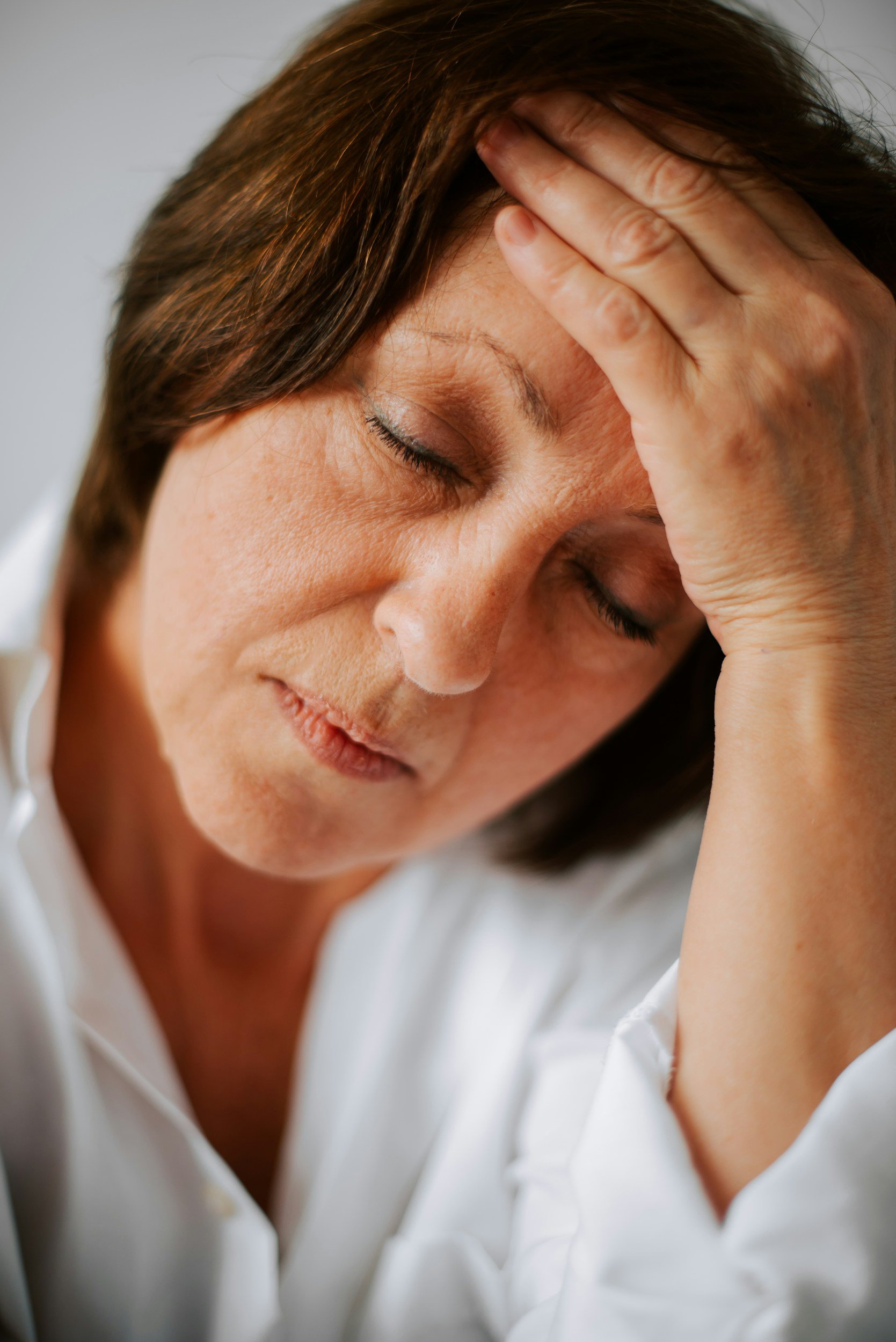
If your cycle has gone unpredictable, your sleep is broken, and you feel like a different person than you were a few years ago, you may be in perimenopause. This is the stretch of time leading up to menopause when your hormones start to swing, and it can begin in your late thirties or early forties, often years before your periods actually stop. The good news is that these symptoms have a cause you can test for and a plan you can follow. Our hormone imbalance treatment starts by measuring what is actually happening, not guessing from your age.
What is perimenopause?
Perimenopause is the transition into menopause. Your ovaries gradually make less estrogen and progesterone, but not smoothly. Levels rise and fall erratically from one month to the next, and that unevenness is what drives most of the symptoms. Menopause itself is a single point in time: twelve months after your last period. Everything before that, sometimes four to ten years of it, is perimenopause.
Because the hormone shifts are gradual and the symptoms overlap with stress, thyroid problems, and plain busyness, a lot of women are told everything looks normal for years before anyone connects the dots.
Common perimenopause symptoms
No two women have the exact same experience, but these are the changes we hear about most:
Irregular periods. Cycles get shorter or longer, heavier or lighter, or skip entirely.
Hot flashes and night sweats. Sudden heat, flushing, and waking up drenched.
Sleep trouble. Falling asleep is fine, staying asleep is not, especially in the early morning hours.
Mood changes. More irritability, anxiety, or a shorter fuse than you are used to.
Brain fog. Losing words, walking into rooms and forgetting why, trouble concentrating.
Weight gain around the middle that does not respond to the diet that used to work.
Low libido and vaginal dryness.
Fatigue that sleep does not fix.
If you are nodding along to several of these, that pattern matters more than any single symptom. Our quick hormone quiz for women is a fast way to see how your symptoms line up.
Why the symptoms happen
Most perimenopause symptoms trace back to two shifts. First, progesterone tends to drop earlier and faster than estrogen, which can leave estrogen relatively high at points in your cycle. That imbalance drives the heavy periods, breast tenderness, irritability, and poor sleep. Second, estrogen itself becomes erratic, and those swings trigger hot flashes, mood dips, and brain fog because estrogen affects your temperature regulation, mood chemistry, and memory, not just your reproductive system.
Understanding which shift is driving your symptoms is the whole point of testing. Two women the same age can need very different plans.
How hormone therapy helps

Hormone therapy works by smoothing out the swings and replacing what has dropped too low. For many women in perimenopause that means supporting progesterone, which can steady sleep and mood and ease heavy cycles, and adding estrogen when the drops are causing hot flashes and other symptoms. The aim is not to flood your body with hormones. It is to bring your levels back into a steady, comfortable range and adjust as your body continues to change.
We use bioidentical hormones, which match the molecular structure of the hormones your body already makes, and we dose them to your labs and your symptoms rather than a standard script. Our overview of bioidentical hormone therapy for women's health goes deeper on how that works.
Hormones are also only part of the picture. Sleep, blood sugar, stress, and thyroid function all shape how you feel during this transition, so we look at those too rather than treating hormones in isolation.
When to see someone about it
You do not have to wait until your periods stop to get help. If symptoms are disrupting your sleep, your work, or your relationships, that is reason enough to get tested. Earlier support often means an easier transition.
How WellSpot approaches perimenopause
We test before we treat. Our team at Wellspot reviews a full hormone panel alongside your symptoms and history, identifies which shifts are driving how you feel, and builds a plan around your numbers and your goals. WellSpot is a membership-based functional medicine practice in Owasso serving the greater Tulsa area, with telemedicine across Oklahoma, so we can follow your levels and adjust over time instead of setting one dose and sending you off.
Frequently asked questions
How long does perimenopause last? It varies widely. For some women it is a couple of years, for others it stretches close to a decade. The average is around four years, but the symptoms and their timing are different for everyone.
Can I be in perimenopause if I still get my period? Yes. Irregular but still-present periods are one of the most common signs of perimenopause. You are considered in menopause only after twelve straight months with no period.
Do I need hormone therapy, or will this pass on its own? Perimenopause does end. Whether to treat it comes down to how much your symptoms affect your life and what your labs show. Some women do well with lifestyle and targeted support, others get real relief from hormone therapy. Testing helps you decide with information instead of guesswork.
Is hormone therapy safe during perimenopause? For most healthy women, hormone therapy is a reasonable option, and starting during the transition is often well tolerated. Safety depends on your health history, the type and dose used, and ongoing monitoring, which is exactly what a proper workup covers.
Feel like yourself again
If perimenopause is running your days, you do not have to wait it out. Explore our hormone imbalance treatment, take the hormone quiz for women, or call 918-842-7872 to talk with our team.