
Low Testosterone Symptoms in Men: The Complete Checklist
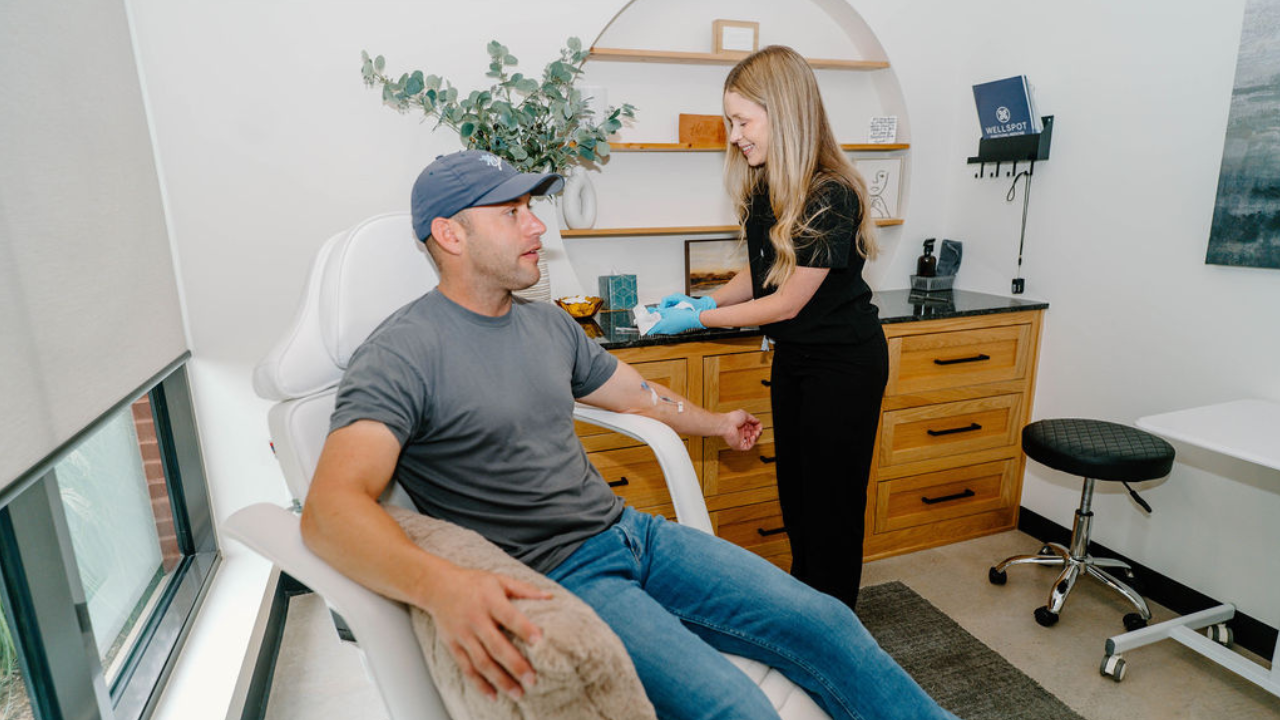
If you are dragging through the day, losing your edge in the gym, carrying new weight around the middle, and wondering where your drive went, low testosterone could be part of the story. The quick answer: the most common low testosterone symptoms are low energy, low sex drive, trouble building muscle, more belly fat, poor sleep, low mood, and brain fog. The only way to know for sure is to test. Our low testosterone treatment in Tulsa starts with real bloodwork, not guesswork.
Use the checklist below to spot the pattern, then read on for why these symptoms happen and what your next step looks like.
The low testosterone symptom checklist
Check how many of these sound like you:
Constant fatigue, even after a full night of sleep
Lower sex drive than you used to have
Trouble getting or keeping erections
Harder to build or keep muscle, even with training
More body fat, especially around the belly
Low motivation, irritability, or a flatter mood
Brain fog or trouble concentrating
Poor or restless sleep
Less stamina and slower recovery after workouts
Thinning body hair or softer muscle tone
One or two of these can have many causes. But several together, especially low energy, low drive, and changing body composition, is a classic low testosterone pattern worth testing. If that is you, our two-minute men's hormone quiz is a simple place to start.
Why these symptoms happen
Testosterone does far more than fuel sex drive. It supports muscle, bone, mood, focus, fat metabolism, and energy. When levels drop below where your body works best, you feel it across all of those systems at once. That is why low testosterone rarely shows up as a single complaint. It shows up as a general sense that you are not operating at your best.
Levels naturally decline with age, but age is not the only driver. Poor sleep, chronic stress and high cortisol, excess body fat, blood sugar problems, certain medications, and nutrient gaps can all pull testosterone down. This matters, because the fix depends on the cause. A man whose levels are low because of terrible sleep and high stress needs a different plan than a man whose body has simply slowed production with age.
Low testosterone is not just an "older man" problem
We see low testosterone symptoms in men in their 30s and 40s, not only in their 60s. Younger men are often told they are "fine" because they are young, even when their numbers and symptoms say otherwise. If your labs are in range but you still feel off, that gap is worth a closer look. We wrote more about how to tell if your testosterone is low if you want the deeper read.
How WellSpot tests and supports healthy testosterone

Guessing helps no one, so we test. A proper workup looks at total and free testosterone, plus the markers that influence them, like SHBG, estradiol, thyroid, and metabolic health. We read those numbers against your symptoms and goals.
From there, Courtney Garner, NP, and our team build a plan to support healthy levels. Depending on what we find, that may include addressing sleep, stress, body composition, and nutrient status first, and hormone optimization when it is the right call. The aim is to support your body's own function and help you feel strong, clear, and energized again, with follow-up labs to track progress.
WellSpot is a membership-based functional medicine practice in Owasso serving the greater Tulsa area, with telemedicine across Oklahoma, so we have time to actually follow your numbers over time.
Frequently asked questions
What are the most common low testosterone symptoms in men? Low energy, low sex drive, trouble building muscle, increased belly fat, poor sleep, low mood, and brain fog are the most common. Several at once is a stronger signal than any one alone.
Can a younger man have low testosterone? Yes. Men in their 30s and 40s can have low levels, often driven by sleep, stress, body fat, or blood sugar issues. Symptoms matter even when you are young.
How is low testosterone diagnosed? With bloodwork. We look at total and free testosterone plus related markers, and we read them alongside your symptoms rather than in isolation.
Do I have to start testosterone therapy? Not always. Some men improve by addressing the root causes first. We review your full picture before recommending any treatment, including whether hormone therapy is appropriate for you.
Stop guessing and get answers
You should not have to accept feeling tired, soft, and unmotivated as "just getting older." If the checklist sounds like you, the smart next move is testing.
Take the men's hormone quiz, explore our low testosterone treatment, or call 918-842-7872 to talk it through with our team.