
Functional Medicine for Autoimmune Disease Management

Functional medicine approaches autoimmune disease differently: we look beyond symptoms to identify triggers and build an individualized plan that supports long-term health. This page walks through how functional medicine helps people living with autoimmune conditions such as rheumatoid arthritis and lupus. You’ll find clear explanations of how these diseases work, the diagnostics we use, and practical integrative therapies we offer - from hormone support to nutrition, lifestyle changes, and outpatient IV treatments. Many patients feel frustrated by one-size-fits-all care; functional medicine is designed to give you a tailored roadmap that emphasizes safe, natural strategies alongside evidence-based medical oversight.
TL;DR
Individualized Approach: Functional medicine identifies root causes and triggers of autoimmune conditions, moving beyond symptom management.
Comprehensive Diagnostics: Combines traditional labs with advanced functional testing, including genetic markers and microbiome analysis.
Personalized Treatment: Plans integrate targeted nutrition, lifestyle changes, stress reduction, and specific supplements.
Hormone Support: Addresses hormonal imbalances to influence immune function and inflammation when appropriate.
Integrative Therapies: Utilizes natural remedies, IV therapy, and other adjuncts to support healing and reduce inflammation.
Collaborative Care: Patients are active partners in developing and evolving their treatment roadmap for long-term health.
What are autoimmune diseases, and what symptoms should you watch for?
Autoimmune diseases happen when the immune system mistakenly attacks healthy tissue, causing inflammation and organ or tissue damage. These conditions can affect different parts of the body and produce a wide range of symptoms. Knowing the common signs - and how they can vary from person to person - helps with earlier, more effective care. Symptoms often include persistent fatigue, joint pain or stiffness, rashes, and digestive complaints that reduce daily quality of life.
Which autoimmune conditions do we commonly support?
We often work with people affected by rheumatoid arthritis, lupus, Hashimoto’s thyroiditis, and multiple sclerosis. Each condition is different, so our approach is individualized: we compile your medical history, lab data, and lifestyle information to build a plan that targets chronic inflammation, immune imbalance, and any underlying drivers unique to you. The goal is improved symptoms, better function, and greater resilience over time.
How do rheumatoid arthritis and lupus usually present?
Rheumatoid arthritis and lupus can overlap in some symptoms but also have distinct patterns. Rheumatoid arthritis commonly causes morning stiffness, symmetrical joint pain, and swelling. Lupus frequently shows with marked fatigue, sensitivity to sunlight, and a classic “butterfly” rash on the cheeks. Early recognition and a tailored plan make a meaningful difference in outcomes.
How does functional medicine diagnose autoimmune conditions?
Our diagnostic process is comprehensive and personalized. We combine traditional labs with targeted functional testing to uncover immune activity, inflammation, and potential triggers. That context lets us form a practical treatment plan rather than rely on symptom management alone.
What integrative tests help detect autoimmune activity?
Testing may include standard blood work for inflammatory markers and antibodies, plus organ function panels. We also use deeper assessments when indicated - for example, genetic markers, advanced antibody panels, and microbiome analysis - to better understand why the immune system is out of balance. These results inform a focused, stepwise treatment plan.
Research increasingly points to the gut environment as a key player in immune regulation, supporting the value of tests that examine internal drivers like the microbiome.
The gut microbiome’s connection to autoimmune disease and immune regulation
While external triggers are important in many autoimmune conditions, growing attention is on the gut’s internal ecosystem - often called the "forgotten organ." The gut microbiome acts as an intermediary between environmental exposures and the immune system, helping teach immune tolerance to harmless substances and self-tissues. When the gut flora is disrupted (dysbiosis), immune signaling can skew toward pro-inflammatory pathways and contribute to autoimmune processes.
Gut microbiome and autoimmune disorders, MN Quraishi, 2022
How do we personalize an autoimmune treatment plan?
Personalization starts with listening: we review your history, symptoms, labs, and lifestyle to co-create a plan that fits your goals. Typical strategies include targeted dietary changes, specific nutritional supplements, stress-reduction practices, and other lifestyle adjustments. Where helpful, we combine those with medical therapies to reduce inflammation and support immune balance. You remain an active partner throughout care so plans evolve with your progress.
What role can hormone therapy play in autoimmune care?
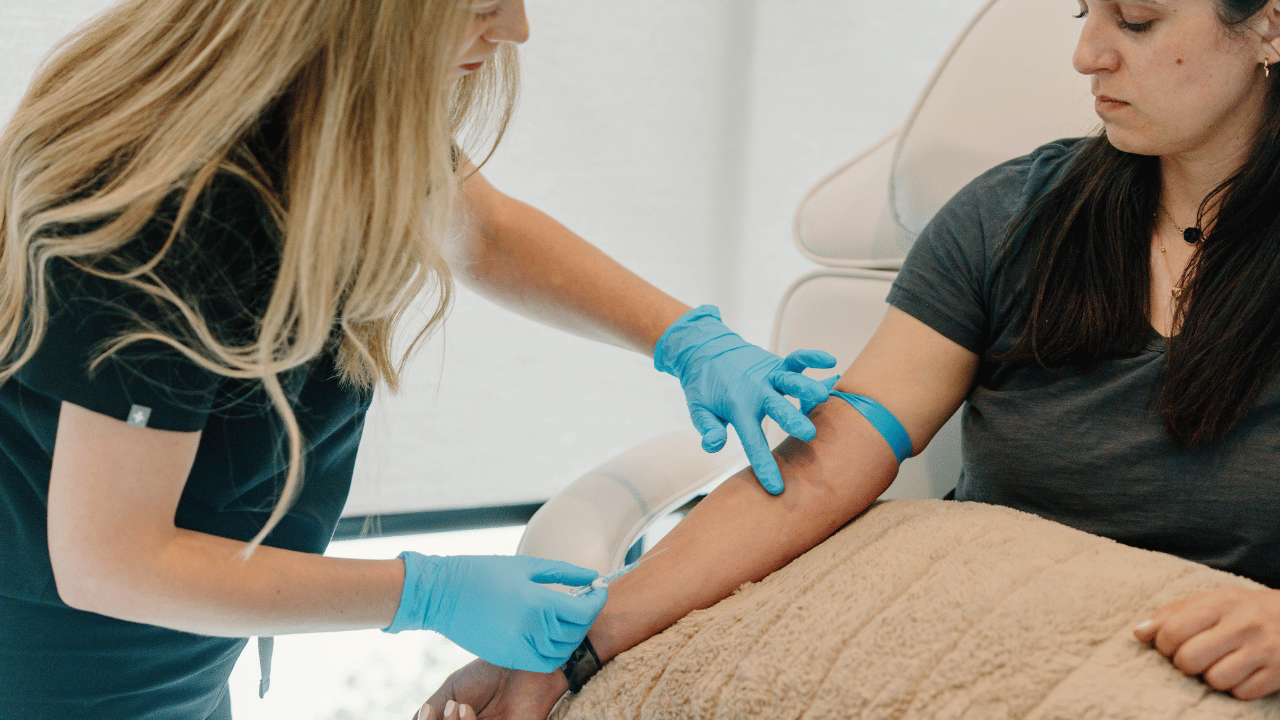
Hormones influence immune function and inflammation, so correcting hormonal imbalances can be a useful part of a broader functional medicine strategy for some patients. Hormone work is individualized, evidence-informed, and monitored closely to prioritize safety and benefit.
How might hormone therapy help regulate immunity and inflammation?
Restoring hormonal balance can help improve energy, mood, sleep, and inflammatory control - all of which support overall immune health. In select patients, bioidentical hormone replacement (delivered and dosed appropriately) may ease symptoms like fatigue and mood disruption that worsen autoimmune burden. Any hormone therapy we consider is discussed in context with your full medical picture and monitored over time.
Studies examining bioidentical hormone approaches explore their effects on inflammatory and immune markers and can help guide individualized decision-making.
Bioidentical hormone therapy and inflammatory/immune considerations
Menopause affects millions worldwide and is linked to symptoms such as hot flashes, sleep disruption, mood changes, and longer-term risks like bone and cardiovascular concerns. Some conventional hormone replacement regimens have been associated with increased thrombotic events and other risks in large trials. Researchers suggest that physiologic sex steroid therapy - for example, transdermal delivery that more closely mimics natural hormones - may offer a different risk/benefit profile and warrants careful, individualized consideration when managing inflammatory and immune factors.
The effects of compounded bioidentical transdermal hormone therapy on hemostatic, inflammatory, immune factors; cardiovascular biomarkers; quality-of-life ..., K Stephenson, 2013
How are hormone protocols applied for lupus and rheumatoid arthritis?
When hormone therapy is appropriate, protocols emphasize individualized dosing, close monitoring, and regular follow-up to track benefits and side effects. Hormone treatment is an adjunctive tool rather than a universal primary therapy for lupus or rheumatoid arthritis; it is used selectively and under specialist guidance.
Which natural remedies and lifestyle changes support autoimmune health?
Natural and lifestyle approaches are central to functional medicine. They strengthen the body's own healing capacity and lower chronic inflammation, often improving symptoms and resilience.
How does functional nutrition help manage autoimmune symptoms?
Functional nutrition focuses on whole, nutrient-dense foods to reduce inflammation and support immune function. Practical steps often include removing processed foods, increasing omega-3 rich sources, and prioritizing a variety of colorful vegetables and fruits. Tailored dietary plans can reduce symptom burden and support recovery alongside other treatments.
Which lifestyle changes reliably improve outcomes?
Consistent movement, quality sleep, and stress management are foundational. Practices such as gentle strength training, yoga, meditation, and structured sleep routines help regulate inflammation and emotional wellbeing. We work with you to build sustainable habits that fit your life.
What are the potential benefits of IV therapy and other integrative treatments?
IV therapy and other integrative services can be useful adjuncts for some people with autoimmune conditions. By delivering nutrients directly to the bloodstream, these therapies may support recovery during flare periods or address documented nutritional needs.
How does IV therapy complement hormone and functional medicine approaches?
IV infusions can provide concentrated vitamins, minerals, and antioxidants that support immune function and help counter oxidative stress. For example, vitamin C and glutathione are used in clinical settings to reduce oxidative load. We view IV therapy as an adjunct to a broader plan - helpful for some patients, but not a standalone cure - and we base its use on individualized assessment and available evidence.
Are there patient stories showing benefit from integrative care?
Many patients report meaningful symptom improvements and better day-to-day function after combining personalized nutrition, lifestyle, hormone support when indicated, and targeted integrative treatments. These real-world reports are encouraging, though larger studies are still needed to define the full scope of benefit across populations.
How can you engage with functional medicine providers to manage autoimmune disease?
Connecting with experienced functional medicine providers helps you move from overwhelm to a clear, personalized plan. We aim to make the process collaborative and practical so you can take steady steps toward feeling better.
What happens during onboarding and personalized care planning?
During our onboarding process, expect a detailed review of your medical history, symptoms, labs, and lifestyle. From there we co-create a care plan with prioritized actions, tests, and follow-up schedules so you know what to expect and why each step matters.
How do hormone quizzes and symptom trackers improve personalization?
Hormone health quizzes and symptom trackers give us objective patterns to guide decisions. These tools make it easier to see trends, measure progress, and fine-tune your plan over time - helping both you and your provider make informed adjustments.
Used together, IV therapy, hormone support, and personalized nutrition can create a complementary plan that addresses root causes and supports symptom management. Each element is chosen based on your unique needs and monitored for safety and effectiveness.
In short, functional medicine offers a practical, individualized path for people living with autoimmune disease. By addressing drivers of inflammation and supporting the whole person - hormones, gut health, nutrition, and lifestyle - patients often find clearer improvement and better day-to-day function. If you’re ready to explore a tailored plan, our team can help guide the next steps.
Program evaluations are increasingly reporting improved physical and mental health outcomes for participants in functional medicine programs, supporting the model while encouraging continued study.
Functional medicine outcomes: engagement and whole-person care
Evaluations from academic functional medicine programs have shown greater improvements in overall physical health scores around six months compared with matched primary care groups, with early mental health gains also noted. These are encouraging associations that suggest value from comprehensive, engaged care - while reminding us that results can vary and ongoing evaluation is important.
Maximizing Patient Engagement: Innovative Strategies for Functional Medicine Practices
Manage Your Symptoms Now
Functional medicine offers a structured, individualized approach to autoimmune care: we combine targeted diagnostics, practical lifestyle and nutrition plans, and selective medical or integrative therapies to address root causes and improve how you feel. Working with a functional medicine team gives you a collaborative, evidence-informed path forward so you can better manage symptoms and reclaim daily functioning. Learn how our tailored solutions can support your wellness journey today.